
Leadership

The Silent Gap in Dental Practices: How to Communicate With Associate Dentists as a Dental Practice Owner and the 1 Solution You Need

Running a dental practice is no small feat, let alone learning how to communicate with associate dentists as a dental practice owner. Every day asks you to be a clinician, leader, visionary, problem-solver, and often the emotional center of your team. You’re responsible for clinical outcomes, culture, patient experience, team alignment, financial performance, compliance, all while staying afloat in the fast pace of the operatory.

So it’s no surprise that your relationship with your associate dentist, one of the most important relationships in your practice, can slip into the background. Not intentionally, and not because you don’t care, but simply because you’re carrying so much.

But here’s the truth:

Your associate relationship has the power to strengthen or strain your entire practice and communication is the determining factor.

The good news?
You don’t need to be a naturally gifted communicator to thrive in this role.
You just need a simple structure.

That’s where the DESC coaching model becomes an invaluable leadership tool.

Why Communication With Associates Breaks Down

If learning how to communicate with associate dentists as a dental practice owner feels challenging, it’s not because you’re doing anything wrong, it’s because you were never trained for this part of the job.

Dental school prepares you for:

  • Diagnosis
  • Treatment
  • Clinical mastery

But dental school does not prepare you for:

  • Leadership
  • Management
  • Coaching
  • Difficult conversations
  • Structured communication
  • Setting expectations
  • Navigating conflict

Owning a practice requires you to wear two hats, clinician and leader, and switching between these identities throughout the day isn’t easy. Often, it’s the associate who ends up on the receiving end of the gap.

And when communication slips, the symptoms start showing up quietly:

  • Misalignment
  • Disengagement
  • Quiet resentment
  • Cultural tension
  • Missed expectations
  • Declining performance

None of this comes from lack of intention.
It comes from lack of structure.

And structure is something you can give yourself.


What Associates Need Most (Even If They Don’t Say It Out Loud)

After coaching hundreds of dental entrepreneurs and associates across the country, we’ve learned that associates tend to want the same core things:

  • Clarity — What do you expect?
  • Connection — Are we aligned?
  • Support — Do you have my back?
  • Direction — Where are we headed?
  • Relationship — Do I matter here?

And the easiest way to deliver all of this?

Consistent, structured communication.

A simple monthly one-on-one, over coffee, breakfast, or a quiet hour in the office, can transform:

  • Trust
  • Engagement
  • Performance
  • Culture
  • Retention

You don’t need to wait until something is breaking.
In fact, the goal of these conversations is to ensure nothing ever gets that far. This is how to communicate with associate dentists as a dental practice owner, one conversation at a time.


How to Communicate With Associate Dentists as a Dental Practice Owner: Using the DESC Coaching Model

Tough conversations get avoided for one of two reasons:

  1. You don’t know how to start them.
  2. You’re afraid of how they’ll land.

The DESC coaching model takes all the fear and ambiguity out of the process. It gives you a clear, repeatable structure so the conversation feels calm, steady, and productive, not emotional or confrontational.

DESC stands for:

  • D — Describe the situation
  • E — Express how it impacts the practice
  • S — Specify new or continued behavior
  • C — Communicate the outcome

Let’s walk through the framework the way we coach it at Optimize Practice Alliance when we train on how to communicate with associate dentists as a dental practice owner.


D — Describe the Situation (Objectively, Not Emotionally)

This first step is about clarity, and clarity is kindness.

Instead of:

  • “You’re not working hard enough.”
  • “The team is complaining about you.”
  • “Your numbers aren’t good.”

You shift to:

“Over the last four weeks, I’ve noticed that three scheduled case presentations were not completed, and our treatment coordinator shared that she’s having trouble staying aligned with your plan.”

Facts. Not feelings.

This instantly lowers defensiveness and raises openness.


E — Express the Impact

People don’t change because they’re told to.
People change because they understand why.

Here you communicate the consequences respectfully:

  • “When these cases aren’t completed, patients wait longer for needed care.”
  • “The team becomes unsure how to support you.”
  • “Our flow gets disrupted, which impacts everyone’s day.”

This step forges connection.
It says, we’re in this together.


S — Specify New or Continued Behavior

This is where the conversation becomes actionable.

Instead of vague requests like:

  • “Do better.”
  • “Try harder.”
  • “Be more consistent.”

You say:

“I’d like you to complete all case presentations on the day the patient is seen and check in with the treatment coordinator at the start of each morning huddle.”

Crystal clear.
No guesswork.
No ambiguity.


C — Communicate the Outcome (What Success Looks Like, and What Happens If Nothing Changes)

This step isn’t about punishment.
It’s about giving your associate a clear sense of direction and removing the guesswork around what happens next.

You’re helping them understand:

  • What success looks like if the change is made
  • What the path forward becomes if the issue continues
  • How their actions connect to patient care, team flow, and practice goals

This is where clarity becomes accountability.

For example:

“If we get aligned here, patients move through care faster and the team works more smoothly. If we don’t resolve this, we’ll need to adjust your schedule or support structure so we can maintain consistency for our patients and team.”

You’re not threatening.
You’re communicating the outcome: the natural, practical next steps based on the results of the behavior. This makes expectations unmistakably clear while preserving trust and transparency.


Why This Framework Works

The DESC model is powerful because it:

  • Removes emotion
  • Eliminates confusion
  • Builds trust
  • Creates accountability
  • Protects the relationship
  • Gives you confidence
  • Gives your associate clarity
  • Prevents issues from compounding
  • Makes future conversations easier

And most importantly? It helps you grow your leadership identity.

At Optimize Practice Alliance, we’ve seen practices transform dramatically when owners embrace a structured, predictable communication rhythm built on DESC. It opens the door to better culture, better retention, and better performance, without tension or confrontation.


A Leadership Opportunity That Pays Off

Stepping into the owner–leader role doesn’t require sharp elbows or top-down management. It simply requires:

  • presence
  • intention
  • communication
  • structure

Your associate dentist is one of the best people to practice these skills with because the relationship directly impacts your culture and operational outcomes.

Regular conversations aren’t about correcting problems.
They’re about preventing them.
They’re about mentoring, aligning, and building a stronger practice, together.

And yes, this is a new muscle for many dental entrepreneurs.
But it’s one of the most rewarding leadership shifts you can make.


How Better Communication Strengthens Culture and Sets the Stage for Growth

When you communicate clearly, consistently, and confidently with your associate dentist, you’re not just improving one relationship, you’re strengthening the entire structure of your practice. A well-supported associate becomes:

  • more engaged
  • more accountable
  • more aligned
  • more consistent
  • more connected to the mission

And when that happens, something powerful unfolds:

Your team feels the stability.
Your culture tightens.
Your systems strengthen.
Your daily operations become smoother.

This is the foundation every growing practice needs.

When associates are aligned, supported, and communicated with effectively, you create the cultural and operational strength required to scale. It’s nearly impossible to grow a practice, or add providers, locations, or services, when the core leadership relationship is shaky.

Better communication doesn’t just solve today’s problems.
It unlocks tomorrow’s possibilities.

Want support preparing for your next tough conversation?

If communicating with your associate feels overdue, unclear, or awkward… you are not alone. And you don’t have to figure it out without support. We built a tool specifically for moments like this and we’re making it available to you for free, the DESC Coaching Template.

This template helps you structure your next difficult conversation with clarity, confidence, and calm, so you can lead your practice forward with intention instead of hesitation.

The tough conversations don’t get easier on their own.
But with the right framework, you, and your associate, get stronger together.


PRESS RELEASE: Henry Schein One Unveils The Catalyst Index, a Look into Dentistry’s Top 10%

AMERICAN FORK, Utah–(BUSINESS WIRE)–Henry Schein One today announced the launch of The 2025 Catalyst Index, its exclusive report offering dental practices an unparalleled view into the strategies transforming performance across the industry. Built on years of trusted benchmarking and informed by Henry Schein One’s most connected platform, the fourth annual report, The Catalyst Index, raises the bar by revealing the specific actions that distinguish the top 10% of DSOs and private practices.

“We’re at a turning point in dentistry,” said Dr. Ryan Hungate, Chief Clinical and Strategy Officer, Henry Schein One. “Practices can no longer afford to operate without clear insight into what separates top performers. The Catalyst Index gives them that competitive edge. It’s like peeking behind the curtain at how the best practices operate.”

Transforming Care Through Insights

According to the report, top-performing practices significantly outpace their peers in both patient growth and revenue, even while seeing fewer patients than the previous year.

Top performers are focused on simplifying the full patient experience, including faster appointment access, streamlined forms, improved billing clarity, and flexible scheduling. This contributed to stronger patient retention, better reviews, and greater acceptance of care plans. The most profitable practices are also operating more efficiently as a team.

The takeaway is clear: there’s a huge opportunity here. Here are just a few of the insights uncovered in the full report:

  • Nearly 60% of patients decline care due to ineffective education, lack of pricing clarity, and a frustrating overall experience.
  • Month-long appointment lead times are common among average practices, while top performers prioritize access for new and emergency patients.
  • Patient experience directly impacts performance. Practices that offer online forms, transparent billing, and flexible scheduling see stronger retention and treatment acceptance.
  • Chairside revenue potential remains underutilized. On average, daily gross production is nearly four times lower than that of the top 10%.

“If you’re average, get mad and fix it. The amount of production being left on the table is mind-boggling,” said Joshua Gwinn, CEO, Optimize Practice Alliance. “The top 10 percent are absolutely crushing it, and it’s not a secret why. They follow a process, build the team, execute, hold people accountable, and analyze their data. If you don’t do that, you’ll stay average or below.”

Driven by Data, Designed for Care

Henry Schein One’s annual benchmarking reports continue to empower thousands of dental practices to measure their performance, identify opportunities, and chart paths for growth. The Catalyst Index expands on previous reports by not only benchmarking results but also highlighting the concrete strategies that drive success.

With its deep commitment to creating the most connected platform in dentistry, Henry Schein One continues to help practices automate and simplify workflows, secure patient data, and drive profitability, delivering technology that allows clinicians to refocus on what matters most: patient care.

“Being recognized as part of the top 10% is a reflection of the steps we’ve taken to simplify and strengthen how we run our organization,” said Evelyn Lahiji, COO, Children’s Dental Fun Zone. “Centralized billing and AI-supported diagnostics have made a big difference for our team and our patients. The Catalyst Index does a great job of showing what’s possible, and I think it will give other practices a practical way to evaluate what’s working and where they can improve.”

The Catalyst Index is Now Available

Click here to explore the full Catalyst Index and find out where your practice stands.

About Henry Schein One

Henry Schein One, a leader in dental software, empowers dentists to focus on patient care, ensuring practice success.

With its simple and integrated software, practices are finally more seamless, more efficient, and more profitable—meaning patients and practitioners are happier. With comprehensive solutions: demand generation, patient experience, practice management, revenue management, dental analytics, and clinical workflow, dental practices will be running smoother than ever before.

Henry Schein One, LLC, is a joint venture between Henry Schein, Inc. (Nasdaq: HSIC) and Internet Brands. The company’s portfolio of leading brands includes Dentrix®, Dentrix Ascend®, Jarvis Analytics™, TechCentral™, Lighthouse360+, and DentalPlans.com®, along with solutions offered through international companies, including Dentally and Software of Excellence, among others. For a full list of our brands, please visit our website or connect with us on LinkedIn.

Contacts

Claire Barbier, Communications Manager, Henry Schein One, Claire.barbier@henryscheinone.com, (631) 559-2942

For Dental Entrepreneurs, A Wake-up Call from The Top 10%: Stop Being Average 

Attention: Dental Entrepreneurs: “If you’re average, get mad and fix it.” 

That’s a line in the recent Business Wire article that I stand by 100%.  

I said that in response to the newly released Catalyst Index by Henry Schein One—a data-backed breakdown of what separates the top 10% of dental entrepreneurs from everyone else. Spoiler alert: the gap is massive. And it’s not about talent—it’s about intentional action. 

The numbers are clear, and they should light a fire under all dental entrepreneurs who want to grow, scale, and eventually sell their practice for what it’s really worth. 

Let’s break down a few of the standout findings—and what they mean for you.

1. 60% of Patients Decline Care Due to Ineffective Education 

That’s not a patient problem. That’s a communication problem. Patients don’t say “no” to treatment—they say “no” to things they don’t understand or see value in. 

The best way to fix this is with patient education strategies that connect, convert, and build trust at every single touchpoint in your patient experience, starting with your marketing. If you’re not actively educating your patients in a way they get, you’re leaving money on the table—period. 

Most treatment plans don’t fail because patients can’t afford them. They fail because patients don’t understand them. According to the Catalyst Index, nearly 6 out of 10 patients walk away from care—not because they don’t want it, but because no one translated the value of the treatment in a way that clicked. This is one of the most common—and most costly—gaps we see in average practices. 

The top 10% of practices and dental entrepreneurs are winning because they’ve built systems and scripts that explain care in terms patients can emotionally and logically buy into. They leverage visual aids, digital presentations, clear language, and consistent messaging across every touchpoint—from the first call to the final follow-up. 

When you educate with empathy, clarity, and structure, your case acceptance doesn’t just increase—it skyrockets. 

2. Top Performers Prioritize Access. Average Practices Have Waitlists. 

If your patients have to wait a month to get in, they’ll find someone else—or just forget about treatment altogether. Meanwhile, the top 10% of dental entrepreneurs are designing access around convenience, not tradition. 

They’re proactive. Nimble. Smart about systems. This is exactly the kind of operational agility we coach with in our Practice Optimization Process tm when we work with our consulting clients. Working with Wincrest Orthodontics in Plano, TX, we focused on their patient experience.  By transforming a few key areas in the patient journey, they were able to gain a 7x increase in starts over 2024.

Read the Case Study.

What’s the use of an amazing treatment plan if the patient can’t get on your calendar until next month? Access is everything. According to the Catalyst Index, long lead times are killing momentum for average practices. When patients are ready to say yes, any delay becomes friction—and friction kills conversion. 

In contrast, top 10% of dental entrepreneurs are engineering access into their daily operations. They use advanced scheduling systems, reserve time blocks for high-priority patients, and design their workflows to accommodate same-week (and sometimes same-day) appointments. 

This isn’t about working longer hours. It’s about structuring your schedule so it serves both your production goals and your patients’ timelines. It is absolutely possible to rework your scheduling models to maximize availability without burning out your team.  

3. Patient Experience Drives Revenue 

Your patients aren’t just judging your clinical work—they’re judging your front desk, your follow-ups, your technology, your vibe. The best-performing practices in the country are obsessed with experience, and the numbers back that up.  

They create a culture patients want to return to and refer their friends to. That’s not fluff. That’s scalable brand equity. Here’s a truth most dentists don’t want to hear: your clinical skills matter—but your experience as dental entrepreneurs matters more. 

The Catalyst Index found that the best-performing practices treat patients like VIPs from the moment they call to the moment they leave. 

Think about it—patients don’t just evaluate your dentistry. They’re judging your customer service, your follow-up, your payment options, your digital forms, your team’s attitude, your office design, and even your Spotify playlist. 

The top 10% of dental entrepreneurs are dialing in every detail to create an experience that builds loyalty and referrals. They know that patients won’t remember the exact margins on a crown—but they will remember how your team made them feel. 

Learning to build experience-first cultures that translate into retention, reviews, and revenue is essential in a successful dental business. It’s what keeps your patients coming back, your teams happy and your practice scalable and profitable.  

4. Chairside Revenue Is Being Ignored 

The Catalyst Index found a fourfold difference in average daily gross revenue between average dentists and the top 10%. Four times more—same number of hours in the day. 

Why? Because the top 10% of dental entrepreneurs know how to maximize every chair, every hour, every treatment opportunity. No guessing, no coasting. 

This isn’t about working harder—it’s about working smarter with systems that support production without burnout. 

The most shocking Catalyst Index stat? Top 10% of dentists are making almost 4x more in average daily production than their peers. Same chair. Same number of hours. Radically different outcomes. 

So what gives? 

Top performers don’t just hope for revenue—they engineer it. They know how to spot production opportunities in hygiene. They cross-train their team to recognize when a patient needs same-day treatment. Furthermore, they optimize chair flow, tighten turnover times, and use data to set production targets that actually mean something. 

On the flip side, average dental entrepreneurs are bleeding money because their chairs aren’t working at full potential. Too many holes in the schedule. Too few upgrades. Too much “I’ll just wait” from patients. 

At Optimize, use a tool called the Practice Optimization Process tm. It helps you map your chairside revenue potential and install systems that ensure you’re not just busy—you’re productive. 

The truth is, being average in today’s market isn’t safe. It’s a slow bleed. And it’s avoidable.  

If your practice isn’t growing the way you want, you’re not broken—but your systems probably are. At Optimize Practice Alliance, we work with dental entrepreneurs every day to fix what’s not working and install what is—so you can grow with confidence. 

The Bottom Line: It’s Time to Decide—Are You Average, or Are You Ready to Lead? 

The Catalyst Index didn’t just shine a light on what the best dental entrepreneurs are doing—it held up a mirror to the rest of the industry. And what it revealed is hard to ignore: 

Too many practices are operating far below their potential. 
Too many teams are frustrated but don’t know what to fix. 
Too many owners are working harder than ever—and still falling short. 

But here’s the truth: it doesn’t have to be this way. 

At Optimize Practice Alliance, we don’t believe in generic coaching or cookie-cutter solutions. We believe in partnering with bold, committed dental leaders who are ready to take ownership of their growth and play in the top 10%. 

If your gut tells you your practice could be doing better—you’re right. And if you’re mad about being average? Good. That’s your fire. 

Now let’s turn that fire into a plan. 

Ready to Stop Leaving Money on the Table? 

Book a free 30-minute strategy call with our team. We’ll give you a custom action plan, specific to your practice, with real strategies you can use right away. No fluff. No pressure. Just the clarity you’ve been missing. 

Stop being average—Let’s fix it. Together.  

Actionable Leadership: Resolving Conflict in your Dental Practice, 1 Tool to Rule Them All

How do you resolve conflict in your dental practice culture? This month, my partner, Jack Bayramyan, and I are exploring the role of leadership in your dental practice and using your leadership to guide your organization to greater success. So, I want to talk about a tool that I use that has had a profound effect on my leadership abilities.

The Importance of Leadership in your Dental Practice

Team culture is a huge, unavoidable aspect of growing your dental practice. If you don’t have team cohesion and a coalescing around your vision for growth you won’t get from point A to point B. It’s a stark reality, but it’s the truth.  

If you don’t have a cohesive team culture, the issues begin to mount:  

  • Breakdown of communication  
  • Lack of respect for roles and leadership  
  • Reduced productivity  
  • Lack of collaboration  
  • Lack of understanding for the practice vision 

The list sadly goes on. Team cohesion is vital to the growth of your practice. And there is never a more glaring example of this than when a conflict arises within the practice. Without proper cohesion within a business culture, when an issue arises, people resort to bad habits or limited experience with these situations. There are various negative responses to conflict and we’ve all seen them:  

  • Finger pointing 
  • Not taking responsibility for results 
  • Bullying  
  • Retreating or hiding from conflict or confrontation  

When a practice doesn’t have team cohesion, strong leadership and non-existent culture, people will fall back on bad habits or reactive behaviors. But if a practice has strong leadership from you, strong team cohesion and a collaborative culture of teamwork, then, when conflict arises, people have the ability and tools to rise above their reactive behaviors and solve problems together.  

Conflict Reactivity in your Dental Practice 

Fortunately, as a dental practice owner, you do have blueprints and solutions to resolve conflict, spark collaboration and create greater team cohesion even amid disagreement and dissension. First, let’s get a greater understanding of the way conflict tends to play out typically in a business organization with no team culture or cohesion and a lack of strong leadership.  

The Karpman Drama Triangle was first developed by Stephen B. Karpman in 1968. This model was designed to understand the ways in which people react during conflict, professionally and personally. There are three main roles in this paradigm. These descriptions were taken from a brilliant blog post at The Profit Recipe, that reminded me of the importance of using your leadership role to rise above conflict and see it through a new paradigm. 

The Original Karpman Drama Triangle Roles  

  • The Persecutor: The person in this role is very critical, finding fault with others and blaming them for the problem while feeling the need to step in and dominate to set things right. They may be perceived as a controlling bully, but sometimes shift to becoming the next category if they’re called out on that behavior. 
  • The Victim sees themselves as a victim of circumstances or others that make them feel powerless and hopeless. They may complain without taking productive action; are oppressed by the Persecutor; and often seek or receive help from the third role. 
  • The Rescuer, has a default orientation of “let me help.” They’ll automatically step in to save Victims, often doing it in a way that enables victimhood and fails to solve the long-term problem. Further, the Rescuer may morph into the Persecutor/Villain or the Victim if they get frustrated.

We don’t need to get too in the weeds here, but this paradigm offers a good understanding of the general reactionary roles people tend to fall into when there is conflict but no cohesion.  

Generally, people fall into 1 of these 3 roles when there is no awareness or formalized process for conflict resolution predetermined and agreed upon by team members beforehand. And this model, by no means, is set in stone. This is a guideline for understanding human behavior and how it plays out in unstructured and structured settings, as it relates to business environments.  

Resolving Conflict in your Dental Practice
The Profit Recipe: Drama Triangle and Empowerment Dynamic

A Paradigm Shift in your Dental Practice  

Now, I want to share with you a tool that I use myself that has proven incredibly efficient, cohesive and inspiring. I’ve used it in my experience as a team leader, business consultant and CEO, to help me reframe roles while helping my teams sort through issues responsively rather than being reactive.  

If you look at the top part of the diamond graphic, you’ll see another version of the Karpman Drama Triangle. This version is called The Empowerment Dynamic and this paradigm was developed by David Emerald.

The Emerald Roles of Dynamic Empowerment 

  • The Challenger replaces the Persecutor: Individuals in both the original Karpman role and the new one see themselves as “truth-tellers” who call situations accurately. But instead of affixing blame and dictating actions, the Challenger “consciously builds others up, encouraging them to also learn and grow, despite difficult situations.” 
  • The Creator is the positive replacement for the Victim. Instead of viewing themselves as a prisoner to circumstances and problems, they learn they “can choose their response to life’s challenges.” They embrace “what inspires them” and become focused on solutions and outcomes, not the weight of challenges holding them back. 
  • Finally, the Coach steps into the Rescuer role. Essentially, they provide real support for Creators rather than enabling their victimhood. A Coach uses “the art of inquiry, curiosity, and deep listening to support others in discovering what is best for themselves.”

David Emerald describes his paradigm as “a profound, yet clear and simple method to free yourself from your reactive habits.” David Emerald has spent over 30 years in leadership education and executive and organization development and is the author of The Power of TED: The Empowerment Dynamic. And his website offers tools and support for using this paradigm to shift your understanding around conflict.

When you can redefine and reframe the conflict paradigm in your organization, you get to solutions and resolution much faster. This reframing allows people to free themselves from reactionary triggers and stay open to collaboration and solution.  

Using This Paradigm in your Leadership Role

There are two vitally important ways to use this model to get the results you want. The first is with yourself. As a leader, situational awareness is key to your success. It behooves you to know who your team members are and where they sit on the bus (your organization). Studying this dynamic gives you a great understanding and awareness of the way conflict plays out in a professional setting. This awareness will elevate your ability to see these dynamics and help team members avoid these roles.

The other way to use this model is to introduce it to your team and have an open and honest conversation about the model and these roles. You, as an organization and team, can then work towards the paradigm shift presented in the empowerment dynamic and use these new roles to elevate the conversation during a conflict. But awareness is the key here. It first starts with you, as a leader, becoming aware of these roles and how and if they play out in your organization.

Orienting your team around a cohesive culture is your job as the leader. And your awareness around the way your team resolves conflict will equal greater success in communication, resilience and collaboration. You got this.

Improve Your Leadership with Clear Communication and Practical Tools

Effective leadership isn’t just about inspiration, it’s about having the right strategies to resolve conflict, build connection, and keep your team moving forward. While support and community are invaluable, sometimes you need a proven tool to tackle challenging conversations head-on.

That’s why we created the DESC Coaching Template. This free, step-by-step worksheet gives dental leaders a clear framework to describe challenging behaviors, express impact, specify desired changes, and communicate positive outcomes. With DESC, you’ll turn potential conflict into opportunities for growth and understanding, while building greater trust and cohesion within your team.

Whether you’re dealing with day-to-day friction or working to strengthen your entire practice culture, the DESC Coaching Template helps you lead with confidence and clarity.

Ready to resolve conflict and level up your leadership?
Download your free DESC Coaching Template now and start building a healthier, more unified dental team, one conversation at a time.

Values-Based Leadership in your Dental Practice: 5 Essential Benefits

When I met my business partner, Josh Gwinn, the thing that instantly connected us was our shared values. So, when we started Optimize we made our shared values a foundational principle in building our organization.    

I started exploring my own personal values and the role they played in my business life while working with Strategic Coach and specifically my coach, Cameron Herold. Defining my core values helped me in so many areas of my business life, including working with my teams, setting expectations for how we worked with patients, even choosing vendors and choosing the right path for scaling my organization.  

So, when it came time for Josh and I to set the groundwork for our vision of Optimize Practice Alliance, our shared values became foundational to both our vision and our strategic planning.  

Using Your Core Values in your Dental Practice 

But is it helpful or even appropriate to use your core values in your business as a dental practice entrepreneur? Implementing your values in your dental practice does have a lot of benefits. With your core values, you can:  

  • Showcase your unique ability and what sets you apart from other dental practices 
  • Find a common basis and understanding for communicating with your teams 
  • Create a strong team culture
  • Provide a foundation from which to make big and small decisions every day  
  • Galvanize your vision for growing your practice 

There are so many benefits to truly utilizing your core values as a dental entrepreneur. And they alone can set the tone and tenor of so many of your daily dealings that not utilizing them can leave you squandering for words, answers and solutions when they are needed most.  

What Are Your Core Values?  

How do you determine what your core values are? My process started in 2014 when I began working with Dan Sullivan at Strategic Coach. I went through a process of discovery using a concept called Unique Ability®. In that process I developed a set of beliefs that became my core values.  

But there are many ways of determining what your values are and which ones you want to be the core values in your dental practice organization. It behooves you to take some time and discover what your values are and how to apply them in your dental practice.  

But for now, I’d like to tell you about our core values here at Optimize. You can, of course, check out our About page and read our core values there. But I decided to dedicate an entire post to them, that is how important they are to the everyday functioning of our organization. They are vital to how we interact with each other and lend our leadership and dedication to our partners.  

Our values are the foundation of our actions, participation and cooperation and we strive to center those values in our interactions and daily execution of goals and our vision for Optimize and our partners. 

Using Mission, Core Values and Norms in your Dental Practice

We Believe in Transparency and Integrity  

Integrity and Transparency are the cornerstone values on which all of our other values are built. At Optimize our actions and words are rooted in integrity. We strive for clarity and honesty in all our interactions and take full responsibility for our results. Transparency is the natural companion to integrity, showing everyone, we work with how we do what we do, with the goal of bridging trust between our partners and ourselves.  

We Believe in Collaborative Teamwork 

Collaborative teamwork is how we stay rooted, not just in our vision for Optimize, but in the visions of our partners and clients. We not only value their input and feedback, but we also need those insights for us to stay accountable for the visions our partners trust us to achieve with them, not just for them.   

We Believe in Growth While Staying Focused on Results 

What does “results focused” really mean for us? At Optimize we view problems as tools for designing solutions to quickly and efficiently remove the obstacles to growth. Our ever-present focus is on the solution using accountability, collaboration and commitment to quickly resolve issues and create opportunities to reorient ourselves towards our goals. This unique advantage of seeing problems as opportunities creates an atmosphere of cooperation and cohesion and helps our teams and partners grow both personally and professionally.  

We believe in Giving World-Class Service 

Giving world-class service is a core value for Optimize. We strive to provide a cohesive, synergistic and professional experience for all our partners, clients and vendors. We also espouse this value across channels so that our vendors and service providers offer the same level of professionalism and world-class service.  

We Believe in an Ownership Attitude  

At Optimize our ownership attitude does not end at our doors. We vest our interests and stewardship in every single partnership we create and build. By taking this approach, we balance our organization’s needs alongside those of our individual team members and partners.  Our ownership attitude gives us the freedom to focus on long-term success rather than short-term profits for us and for you.  

We Believe in Optimizing our Potential  

It’s in our name, we optimize our potential through optimizing your opportunities for growth. And we start with the basics and strive for excellence in all we do. In optimizing your systems, operations and processes we learn, measure and grow your business with the best tools, strategies and vision while maintaining our focus on your individual and optimal personal experience.   

These values are what hold us apart from all others and give us the ability to give you the opportunity to grow your vision and live your dream because we believe the future of dentistry belongs with dentists.  

Putting Values-Based Leadership Into Practice

At Optimize, we believe that the best way to give back to our community of dentists is by equipping you with practical tools that bring your values and vision to life in your practice. As a dental entrepreneur, it’s not just about having strong values, it’s about building systems and strategies that make those values a living part of your business every day.

If you’re ready to lead with greater clarity and purpose, our free Extraction GPS Template is the perfect next step. This step-by-step worksheet will help you define your core values, assess your current position, and set clear, meaningful goals for the future of your practice.

Whether you’re aiming to strengthen your culture, set a new vision, or align your team around what matters most, the Extraction GPS gives you a practical roadmap to get there.

Ready to build a practice that truly reflects your values?
Download your free Extraction GPS Template now and take the first step toward a values-driven, growth-focused future.

The #1 Most Powerful Secret Ingredient for Scaling Your Dental Practice

Are you planning on scaling your dental practice? Whether you are or you’re not, keep reading because I will be making the case for growing your practice no matter what your plans.  

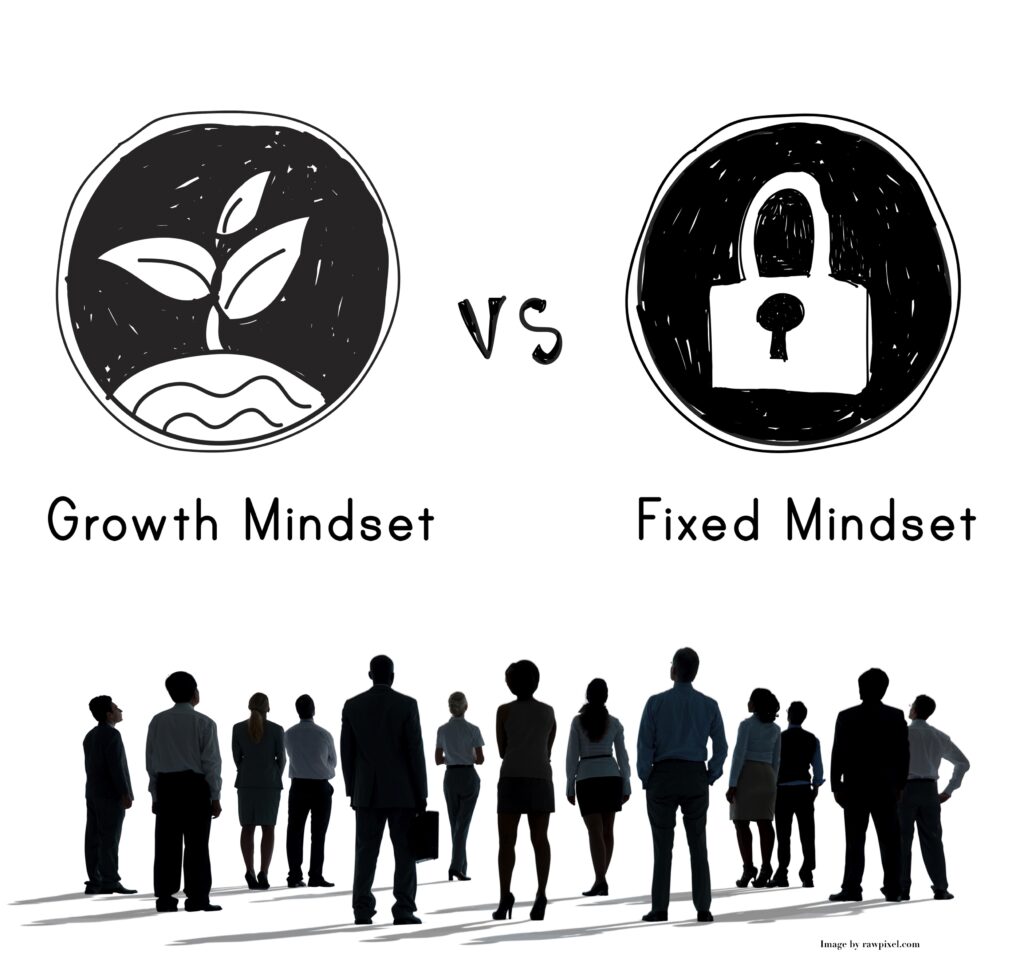
One of the most difficult aspects of being an entrepreneur is your mindset. Bet you didn’t think I’d say that, right? There are a lot of challenges and obstacles when it comes to being an entrepreneur, but every single solution starts in the same place…a growth mindset.  

If you don’t have a growth mindset, every single challenge will be exponentially harder to defeat because you will be meeting that challenge with a never-ending supply of resistance. 


Growth Mindset for your Dental Practice

What’s that saying? “There’s as many as excuses as there are…” you get the idea. If you’re going to scale, grow, expand or do anything of importance for your business, yes dentistry is a business, you’ve got to start at the root of stagnation…your mindset.  

That’s a nebulous, cloudy proposition, though, isn’t it? How do you change your mindset? Glad you asked! There are all kinds of ways to get started in creating a mindset shift. You can read some wonderful books on entrepreneurism and mindset; You can attend lectures, conferences and retreats dedicated to this topic; You can hire a coach; In fact, one of the most effective ways to challenge an old mindset and shift your thinking is by joining a mastermind. More on that a little later.  

All these solutions are effective because they allow you to take action without taking any risks in the business; and they allow you to learn and grow from others who have done exactly what you want to do. These two qualities: action and proximity to opportunity and knowledge help you build the courage to take the risks you need to grow your dental practice organization.

The #1 Strategy for Scaling Your Dental Practice 

I have another strategy for shifting your mindset in addition to the ones above. This strategy allows you to bounce ideas off someone else, just like a mastermind does; you get the opportunity to brush up on new skills, just like going to a retreat or conference would; and this strategy allows you to work on your business, not just in your business, much like working with a coach would.  

But the quality that makes this secret strategy the most effective one is…this strategy will actually make you money as opposed to all the other strategies which will cost you money. Now, tbh, the above strategies are fantastic and effective and the cost is worth the Investment. But this strategy is designed to increase sales, expand your practice and change your mindset. So, what is it?  

If you want to scale your practice, but you can’t even envision what that will look like much less begin executing a plan, start with hiring an associate dentist. Hiring an associate dentist is the fastest way to grow your practice while allowing you the time to evolve your thinking and shift to a growth mindset. How?  

Josh Gwinn, Co-founder, CEO of OPS on the advantages of hiring an associate for your dental practice

Learning to Shift into a Growth Mindset in Your Dental Practice  

With an associate, you will have someone to bounce ideas off of when you start thinking about making changes to your practice. In fact, just making room for an associate may bring up other areas of your practice that need your attention. You may have to do a bit of remodeling; you’ll need to make room on your website for the new addition to your team; this might be a good time to talk about your pricing structures, making sure they’re up-to-date and comprehensive; and the new associate may bring her own ideas and inspirations to the discussions. Opening discussions with your new associate will allow you both to engender trust, share ideas, troubleshoot problem areas and brainstorm on solutions.  

Learn New Leadership Skills for Your Dental Practice 

When you take on an associate, there may be some subtle shifts in the power dynamics within your team structure. This is totally normal. Questions from your team may arise, like, “who do we answer to now?” “Does this mean you are stepping back?” “Are we getting a new hygienist?”  And there will definitely be questions coming from your new associate as well.  

This period of transition offers you an opportunity to step into a leadership role. If you have not already taken on a leadership role in your practice now is the time for you to step up. You went to dental school; you may have started out as an associate yourself; you started your own practice; but all of that doesn’t necessarily allow you to flex your leadership muscles.  

Taking on a new associate means your team just got bigger; you will be looked at to make the big decisions. Your leadership may have up to this point seemed almost like a by-product of your dental practice, a necessary aspect that you need to revisit from time to time. However, with an associate, there will be no mistaking that you are the person in charge, and you are the one who makes the big decisions.  

This can feel uncomfortable at first, but with time, you will accept this new role and more importantly, so will your team and your new associate. Leadership takes practice and having a new associate will allow you to figure out what kind of leadership style fits you best. Enjoy the process and everyone will be that much more comfortable while you grow into your new authority.  

Learning to Delegate will Improve Your Dental Practice 

The last area of growth that comes with taking on a new associate is in delegation. You will now have someone else who can take on more work! This will free up your brain in so many ways. You will finally get the opportunity to start thinking bigger when it comes to your practice. Why? Because now you’ll have the time and mental clarity to start working ON your business, not just IN your practice.  

This is a huge leap forward when it comes to expanding or scaling your practice. Now, you’ll watch the creative juices start flowing when it comes to ways your practice can expand and grow. This will be an exciting time because this is one of the most immediate and expansive results of taking on a new associate. You will suddenly start to look for other ways you can grow your dental practice as well we your mindset.  

Expanding your dental practice = expanding your mindset. You can’t have one without the other. Whether you want to scale your practice by adding new locations or expand your single practice by adding more dentists and operatories, taking the leap and welcoming a new associate will give you the growth mindset you need to achieve your goals and reach your vision. By taking on the responsibility of hiring a new associate to join your team you’re already taking the steps to expand your mindset, and when you expand your mindset, you expand what is possible for your business.  

One More Way to Activate a True Growth Mindset

A growth mindset isn’t just about thinking differently, it’s about giving your ambition a direction. Without clarity, even the most motivated dental entrepreneurs can find themselves working harder without making real progress.

That’s why we created the Extraction GPS. This tool helps you clarify your values, assess where your practice is today, and define a clear path forward, so your growth mindset is supported by a real plan. When you know where you’re going and why it matters, momentum becomes sustainable instead of exhausting.

Scaling your practice requires more than optimism. It requires intention, alignment, and a roadmap that keeps you focused when challenges show up.

Ready to turn your growth mindset into purposeful action?